 English
 Français
  日本語
日本語  Deutsch
  한국어
한국어  русский
  Español
  Português
  tiếng Việt
  Italiano
  Nederlands
  ภาษาไทย
  Polski
  Svenska
  magyar
  Malay
Malay  বাংলা ভাষার
  Dansk
Dansk  Suomi
Suomi  हिन्दी
  Pilipino
  Türkçe
  Gaeilge
  العربية
  Indonesia
  Norsk
Norsk  تمل
تمل  český
český  ελληνικά
  український
  Javanese
  فارسی
فارسی  தமிழ்
தமிழ்  తెలుగు
  नेपाली
  Burmese
  български
  ລາວ
ລາວ  Latine
  Қазақша
  Euskal
  Azərbaycan
  Slovenský jazyk
  Македонски
  Lietuvos
  Eesti Keel
  Română
  Slovenski
  मराठी
मराठी  Srpski језик


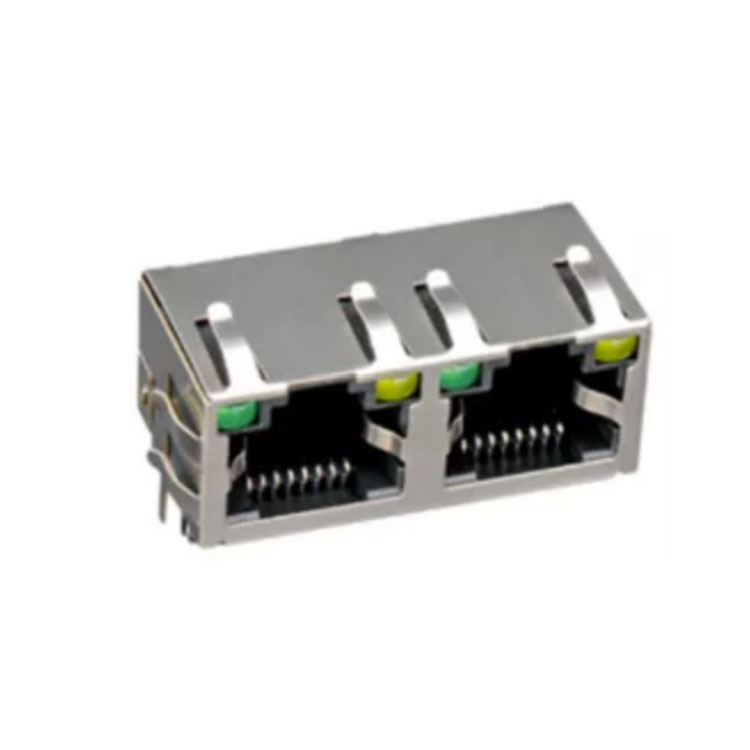
Features and Applications of Integrated Connector Modules
One of the main advantages of these modules is their ability to save space on a printed circuit board (PCB). By integrating multiple components like connectors, resistors, capacitors, and inductors, these modules allow for a more compact design without compromising functionality. This is particularly useful in small electronic devices like wearables and mobile phones, where space is limited.
Another benefit of integrated connector modules is their ability to reduce assembly time. By integrating multiple components into a single unit, manufacturers can reduce the number of components that need to be assembled, reducing the time and cost of production. Additionally, these modules reduce the risk of errors during assembly, resulting in a more reliable product.
Integrated connector modules also boast improved performance compared to traditional designs. This is because, with fewer components in the electronic circuit, the signal path is shorter, resulting in reduced signal loss and improved signal integrity. Additionally, integrated modules can be designed with specialized functions to meet specific requirements, further enhancing their performance.
The applications of integrated connector modules are vast and varied. In the automotive industry, these modules are used in sensors and controls systems to power, monitor and control the various functions of a vehicle. In the healthcare industry, they are used in medical devices for monitoring and treatment purposes. They are also used in telecommunications, consumer electronics, and aerospace industries.
Send Inquiry



X
We use cookies to offer you a better browsing experience, analyze site traffic and personalize content. By using this site, you agree to our use of cookies.
Privacy Policy