 English
 Français
  日本語
日本語  Deutsch
  한국어
한국어  русский
  Español
  Português
  tiếng Việt
  Italiano
  Nederlands
  ภาษาไทย
  Polski
  Svenska
  magyar
  Malay
Malay  বাংলা ভাষার
  Dansk
Dansk  Suomi
Suomi  हिन्दी
  Pilipino
  Türkçe
  Gaeilge
  العربية
  Indonesia
  Norsk
Norsk  تمل
تمل  český
český  ελληνικά
  український
  Javanese
  فارسی
فارسی  தமிழ்
தமிழ்  తెలుగు
  नेपाली
  Burmese
  български
  ລາວ
ລາວ  Latine
  Қазақша
  Euskal
  Azərbaycan
  Slovenský jazyk
  Македонски
  Lietuvos
  Eesti Keel
  Română
  Slovenski
  मराठी
मराठी  Srpski језик


How Does a Solar Inverter Inductor Improve Efficiency, Stability, and Lifespan in Modern PV Systems
A solar inverter inductor is one of the most critical magnetic components inside photovoltaic (PV) inverter systems. It directly affects conversion efficiency, harmonic distortion, thermal performance, and long-term reliability. In modern renewable energy applications, where efficiency standards are increasingly stringent, selecting the right inductor design can significantly improve overall system performance.
This in-depth guide explores how solar inverter inductors work, why they matter in high-frequency switching environments, how materials and design impact performance, and how manufacturers such as JASN deliver advanced magnetic solutions for demanding solar applications.
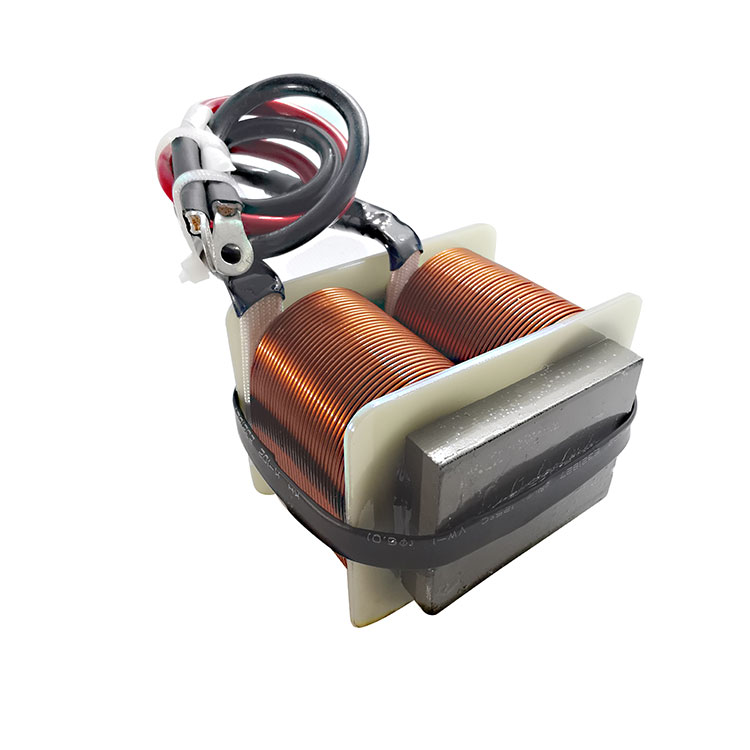
Table of Contents
- 1. What Is a Solar Inverter Inductor?
- 2. Why Is It Essential in Modern PV Systems?
- 3. Working Principle in Solar Inverters
- 4. Key Design Parameters and Technical Specifications
- 5. Core Materials and Their Impact on Efficiency
- 6. Thermal Management and Reliability
- 7. Customization and Application Scenarios
- 8. How to Choose the Right Solar Inverter Inductor
- 9. Common Challenges and Solutions
- 10. FAQ
1. What Is a Solar Inverter Inductor?
A solar inverter inductor is a passive magnetic component designed to store electrical energy in a magnetic field and release it in a controlled manner during switching operations. It is commonly used in DC-DC boost converters and DC-AC inverter stages within photovoltaic systems.
In simple terms, the inductor smooths current flow, suppresses ripple, and reduces electromagnetic interference (EMI). Without it, solar inverters would experience unstable output, excessive harmonics, and efficiency losses.
- Energy storage during switching cycles
- Current ripple reduction
- Harmonic filtering
- Improved waveform quality
- Enhanced system stability
2. Why Is It Essential in Modern PV Systems?
Solar energy systems operate under variable sunlight conditions, meaning voltage and current fluctuate continuously. The inverter must convert this variable DC power into stable AC output compatible with grid standards.
The solar inverter inductor plays a crucial role in:
- Boosting low DC voltage to required bus levels
- Maintaining continuous current mode (CCM)
- Meeting grid harmonic regulations
- Ensuring long-term component reliability
As global renewable adoption increases, high-efficiency magnetic components are no longer optional—they are mandatory for competitive solar inverter design.
3. Working Principle in Solar Inverters
In a typical PV inverter topology, the inductor operates within high-frequency switching circuits. When the power switch turns ON, energy is stored in the magnetic core. When the switch turns OFF, stored energy transfers to the load.
Energy Storage Formula:
E = 1/2 × L × I²
Where:
- L = Inductance
- I = Current
This cyclic storage and release process enables voltage regulation and ripple suppression, which are fundamental to efficient DC-AC conversion.
4. Key Design Parameters and Technical Specifications
| Parameter | Description | Impact on Performance |
|---|---|---|
| Inductance (µH/mH) | Energy storage capability | Ripple current control |
| Saturation Current | Maximum current before core saturation | Prevents efficiency drop |
| DC Resistance (DCR) | Internal winding resistance | Affects copper loss |
| Core Material | Ferrite, Powdered Iron, Nanocrystalline | Determines core loss |
| Operating Frequency | Switching frequency compatibility | Efficiency optimization |
5. Core Materials and Their Impact on Efficiency
Core material selection directly influences performance in solar inverter inductors.
Ferrite Core
- Low core loss at high frequency
- Ideal for compact inverter designs
Powdered Iron Core
- Higher saturation flux density
- Suitable for high-current applications
Nanocrystalline Core
- Ultra-low core loss
- High permeability
- Excellent thermal stability
Advanced manufacturers like JASN focus on optimized magnetic design to reduce both copper and core losses, improving inverter efficiency beyond 98%.
6. Thermal Management and Reliability
Solar inverters often operate in harsh outdoor environments. Elevated temperatures accelerate insulation degradation and reduce lifespan.
Effective thermal strategies include:
- Low DCR winding design
- High-temperature insulation materials
- Optimized core geometry
- Encapsulation for moisture protection
Proper thermal design ensures 10–20 years of operational reliability, matching the lifespan of PV modules.
7. Customization and Application Scenarios
Solar inverter inductors are used in:
- Residential rooftop inverters
- Commercial string inverters
- Utility-scale central inverters
- Hybrid energy storage systems
- Off-grid solar systems
Customization options may include:
- Custom inductance values
- Special core materials
- High-current winding structures
- Compact mechanical dimensions
8. How to Choose the Right Solar Inverter Inductor
Step-by-step selection guide:
- Determine operating frequency
- Calculate required inductance
- Identify maximum current and ripple tolerance
- Evaluate thermal conditions
- Verify saturation margin
- Check compliance with EMI standards
Working with experienced magnetic solution providers ensures optimal design integration.
9. Common Challenges and Solutions
| Challenge | Cause | Solution |
|---|---|---|
| Core Saturation | Underrated current | Increase saturation current margin |
| High Temperature | Excessive copper loss | Lower DCR design |
| EMI Issues | High ripple current | Optimize inductance value |
| Efficiency Drop | High core loss | Select low-loss core material |
10. FAQ
Q1: What happens if the inductor saturates?
Saturation causes inductance to drop sharply, leading to current spikes, overheating, and potential inverter failure.
Q2: Can I use a standard inductor for solar inverter applications?
Not recommended. Solar inverter inductors must handle high current, high frequency, and harsh environments.
Q3: How does inductance value affect ripple?
Higher inductance reduces ripple current but increases size and cost. Optimal balance is required.
Q4: What is the typical efficiency impact?
Proper magnetic design can improve overall inverter efficiency by 1–3%, which is significant at utility scale.
Conclusion
A solar inverter inductor is far more than a passive component—it is a performance-defining element in modern photovoltaic systems. From efficiency and ripple suppression to thermal reliability and grid compliance, its design directly impacts system success.
Partnering with experienced manufacturers like JASN ensures precision engineering, optimized magnetic materials, and customized solutions tailored to your inverter requirements.
If you are designing next-generation solar inverters and need high-performance magnetic components, contact us today to discuss your project requirements and discover how advanced solar inverter inductors can elevate your system performance.
Send Inquiry



X
We use cookies to offer you a better browsing experience, analyze site traffic and personalize content. By using this site, you agree to our use of cookies.
Privacy Policy